Key takeaway:
• A professional roof inspection catches hidden damage early, before minor issues become costly structural repairs.
• Princeton homeowners should schedule inspections at least twice a year — in spring and fall — and after any major storm.
• Choosing a qualified local inspector with an engineering background adds a measurable layer of accuracy to the assessment.
Scheduling a roof inspection is one of the most practical steps a Princeton homeowner can take to protect their property’s value and prevent water damage from going undetected. A qualified inspector evaluates far more than surface-level shingle condition — they examine flashing, gutters, ventilation, and the attic underside to build a complete picture of your roof’s health.
When you schedule a roof inspection in Princeton NJ, the process typically covers roofing materials, visible defects, aging conditions, and leak indicators — all documented in a written report you can act on. The type of roof, roofing material, installation, and maintenance all play key roles in the longevity of a roof, and an average roof with 3-tab asphalt shingles can last 15 to 40 years depending on quality and material type. Knowing where your roof sits within that range is the first reason to get eyes on it professionally.
What a Professional Roof Inspection Actually Covers
A thorough inspection is not a quick look from the driveway. A roof inspection is a top-to-bottom review of shingles, flashing, gutters, and the attic. It catches damage before it turns into a leak inside your living room — a real inspection walks the roof surface, checks the metal around chimneys and vents, and looks at the underside from inside the attic.
Inspectors typically assess the following areas:
• Shingles: cracking, curling, granule loss, or missing sections
• Flashing: around chimneys, skylights, and roof penetrations
• Gutters and downspouts: blockages, separation, or improper slope
• Soffit and fascia: rot, pest entry points, or ventilation gaps
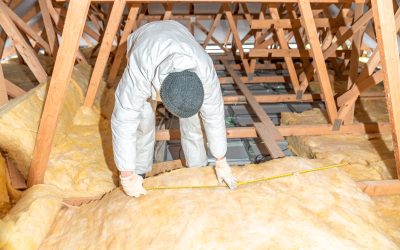
• Attic: moisture staining, mold indicators, and insulation condition
Hidden issues from roof leaks and clogged gutters can create water damage without a homeowner’s awareness. A professional inspector can help identify signs of water damage and recommend immediate steps to confirm, remedy, or prevent recurrence.
When to Schedule an Inspection in Princeton
Timing matters. The National Roofing Contractors Association recommends that all building owners and homeowners schedule roof system inspections at least twice per year, in the spring and fall. For Princeton specifically, that cadence aligns well with the region’s seasonal weather patterns — winter ice and snow stress the roof structure, while summer heat accelerates shingle aging.
Beyond routine scheduling, certain events should prompt an immediate inspection:
• After a hail, wind, or ice storm
• Before listing or purchasing a home
• When a roof is approaching the end of its expected lifespan
• If interior water stains or attic moisture appear
It is wise to consider replacing your roof when it is nearing its expected lifespan, even if it is not visibly leaking. An inspection at that stage gives you repair-versus-replace data before a crisis forces the decision.
Inspection Types: Choosing the Right Scope
Not every inspection is the same. Here is a quick comparison of the most common types Princeton homeowners encounter:
| Inspection Type | Best For | Typical Scope |
| Routine / Preventive | Annual or biannual maintenance | Full exterior and attic review |
| Pre-Purchase | Buying or selling a home | Condition report for negotiations |
| Post-Storm | After severe weather events | Damage documentation for insurance |
| End-of-Life Assessment | Aging roof nearing replacement | Repair vs. replace analysis |
According to the National Roofing Contractors Association, routine inspections and proactive maintenance are the most reliable way to optimize a roof’s service life and reduce long-term repair costs.
How to Prepare and What to Expect
Before the inspector arrives, clear gutters of visible debris if safely accessible and note any interior symptoms — ceiling stains, drafts near the roofline, or attic condensation. These observations help the inspector prioritize areas of concern.
During the visit, a qualified inspector will document findings with photographs and produce a written report. Accurate and thorough inspection results are the baseline standard, and comprehensive reports should always be available for a detailed client review. Ask specifically whether the report distinguishes between cosmetic defects and material defects — the latter carry safety and valuation implications that cosmetic issues do not.
Building assessments performed to ASTM Standard E 2018-15 review all major components, including structure, electrical, roofing, exterior walls, windows and doors, interior finishes, plumbing, heating, air conditioning, ventilation, and fire protection. For residential clients, a similar structured approach ensures nothing is overlooked.
Frequently Asked Questions
How often should Princeton homeowners get a roof inspection? At minimum, twice per year — spring and fall — plus after any significant storm event. Older roofs or those with known repair history may benefit from annual inspections.
What is the difference between a home inspector and a roofing contractor for inspections? A licensed home inspector evaluates the roof as part of the whole-property system and produces an unbiased written report. A roofing contractor may offer free inspections but typically has a financial interest in recommending repairs or replacement.
Will an inspection find damage not visible from the ground? Yes. Flashing failures, soft spots in decking, and attic moisture are rarely visible from street level. A hands-on inspection of the roof surface and attic interior is required to identify these issues accurately.
Does a roof inspection help with insurance claims? A documented inspection report with photographs provides the evidence insurers require to process storm damage claims. Scheduling an inspection promptly after a weather event preserves that evidence before conditions change.
For Princeton homeowners ready to schedule a professional assessment, BenGineering Buildings Inspections LLC provides residential and commercial building inspections in Princeton Township, NJ, backed by an engineering background and a commitment to detailed, client-reviewed reports. BenGineering Buildings Inspections LLC brings technical precision to every evaluation — giving you the documentation you need to make informed decisions about your home’s most critical protective system.